Hotel Interior Designer

Exceptional hotels are remembered for how they feel long after guests check out. As a hotel interior designer, our role is to shape those feelings through space, material, light, and atmosphere. Every interior decision influences how guests move, rest, connect, and return.

Web 1
What we do
  • Design direction and identity

  • Planning for use & operation

  • Tailored furniture & built elements

  • Surface & material selection

  • Lighting & atmosphere

  • Completion & readiness

A hotel should feel effortless to the guest, and intentional in every detail.

Start A Project Start A Project
Web 10
Designed for guests, refined for performance

Our Approach as a Hotel Interior Designer

Hotels are complex environments. They must feel welcoming yet refined, efficient yet personal. Our service begins by understanding the identity of the property and the experience it aims to deliver. We consider brand positioning, guest expectations, cultural context, and operational flow before a single finish is selected.

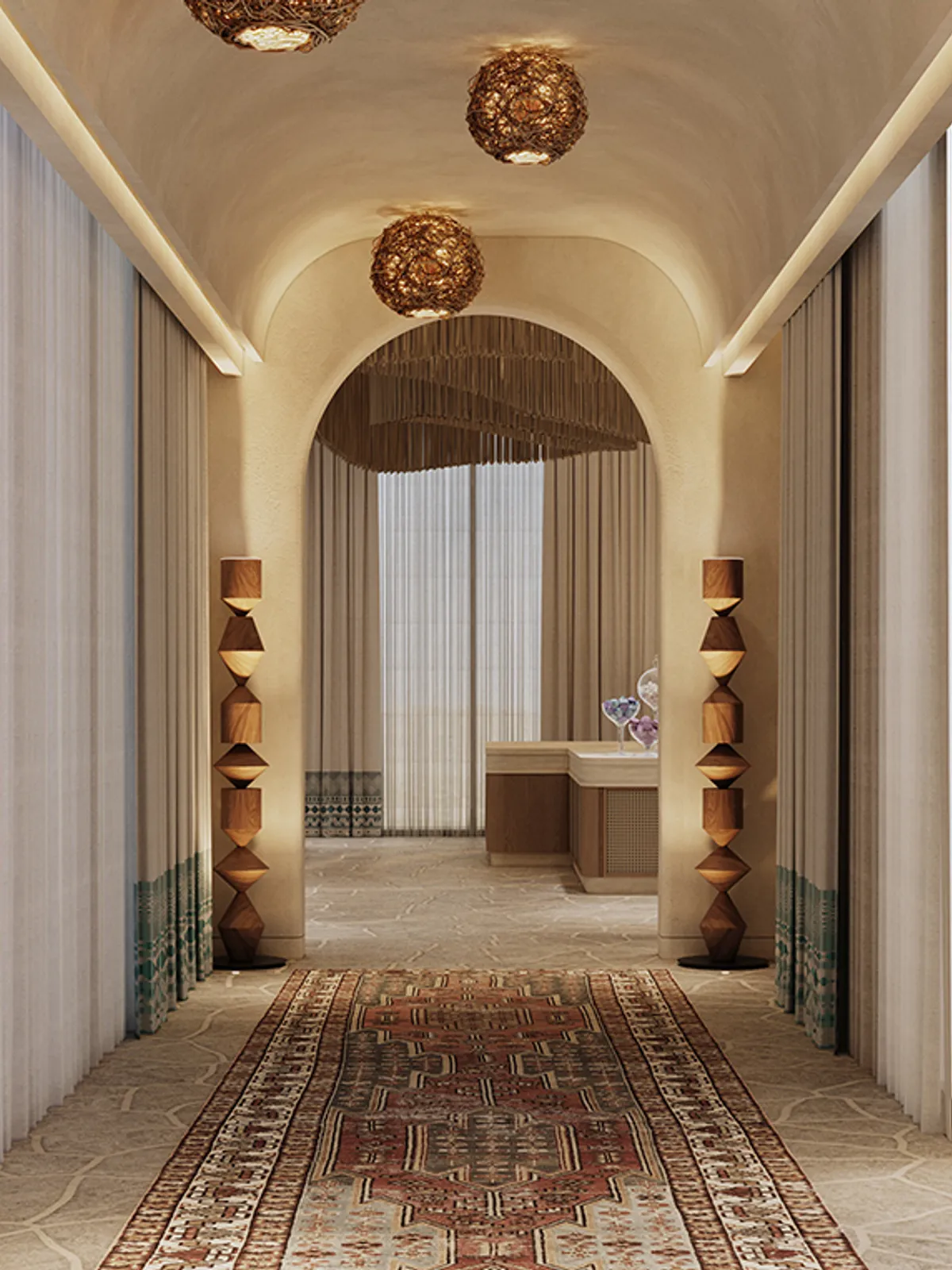
From arrival to departure, every interior touchpoint is designed with purpose. Lobbies invite pause and anticipation. Guest rooms support rest, privacy, and comfort. Circulation spaces guide movement naturally. Public areas encourage interaction without feeling overstimulating. The result is a cohesive interior narrative that feels intuitive rather than imposed.

Our work in hotel interior design is grounded in restraint and clarity. We prioritize proportion, texture, and atmosphere over trend-driven statements, ensuring interiors remain relevant and appealing over time.

Start A Project Start A Project

Our Portfolio

Our hotel work spans a range of hospitality settings, from intimate boutique stays to complex, multi-program properties. Each project begins with a different brief, a different guest profile, and a different operational reality. The interiors respond accordingly.

Rather than applying a signature look, our approach adapts to the identity of each hotel. Some spaces are calm and understated, others more expressive, but all are shaped by proportion, material discipline, and how guests actually use the space.

Web 15

Interiors Designed for Guests

Hotel interiors are experienced differently than private spaces. They must communicate comfort quickly and clearly, often within moments of arrival. Our team focuses on how guests intuitively respond to space, light, sound, and material.

We consider how long guests linger in public areas, how they transition between spaces, and how interiors shift throughout the day. Texture softens scale. Lighting guides mood. Material choices influence perception of cleanliness, warmth, and quality. These decisions are subtle, but their impact is immediate.

Every surface and furnishing is selected to enhance the guest experience while supporting durability and maintenance requirements essential to hospitality environments.

Spatial Planning for Hotels

Hotel interiors are shaped by constant use. Guests arrive with luggage, pause in public areas, retreat to private spaces, and move through the building at all hours. Our approach responds to these real patterns of use rather than abstract spatial theory.

We focus on clarity first. Entrances are legible. Key destinations are easy to find. Shared spaces invite guests to stay without forcing interaction. Guest rooms are arranged to support rest, storage, and daily routines without unnecessary complexity.

This practical lens allows hotel interior design decisions to serve both the guest and the operator. Spaces feel composed and intuitive, even when occupancy is high, because the interior has been designed around behavior rather than visual gestures. The outcome is a hotel that functions smoothly while still feeling refined and intentional.

What We Do

Hotel Interior Design - FAQ’s

Hotel projects involve coordination, timing, and clear decision-making. Below are answers to common questions about working with a hotel interior designer.

Yes. Many projects involve transforming existing properties. Our hotel interior design approach focuses on improving flow, atmosphere, and guest experience while working thoughtfully with the existing structure.

Absolutely. We regularly collaborate with architectural and construction teams to ensure interior decisions align with structural intent, timelines, and technical requirements. This integrated approach supports smoother delivery and cohesive outcomes.

Yes. Our service includes guest rooms, lobbies, restaurants, lounges, corridors, and shared amenities. Each area is designed as part of a unified experience rather than in isolation.

We provide full specification of furniture, lighting, finishes, and decorative elements. Every selection is guided by the overall concept, operational needs, and long-term performance expectations.

We can develop hotel interiors from existing architectural drawings. Our role is to add clarity, cohesion, and refined detail, ensuring the final interior supports both guest experience and operational efficiency.