BG
By iMaker Group
What Is Interior Design? A Thoughtful Look at How Spaces Are Shaped to Be Lived In

4 Min Read
11.02.2026
- Blog
Interior design is often misunderstood as simply being interior decoration. Many people imagine color palettes, cushions, and furniture layouts. While these elements do matter, they only represent a fraction of what interior design is about. When we talk about interior design, we’re talking about shaping how people live within a space. It’s a process of understanding behavior, movement, emotion, and daily ritual, then translating those insights into environments that feel intuitive, functional, and refined.
So, what is interior design in its truest sense? It’s the considered planning and design of interior environments that support how you live in them. It balances aesthetics with practicality. It targets how a room feels at different times of day, how sound travels, how materials age, and how people interact with a space over years rather than months. Good interior design doesn’t announce itself audaciously. It settles quietly into daily life and improves it.
This article explores interior design beyond surface definition. It looks at processes, decision making, and lived experience for anyone seeking clarity and depth rather than mere trend commentary.
Interior design is the art and science of shaping interior environments to serve human needs. It sits at the intersection of architecture, psychology, material knowledge, and spatial planning. It’s concerned with how people move through a space, where they pause, what they see first, and how they feel without consciously noticing why.
A well-designed interior begins long before materials or furniture are selected. It starts with listening. How will the space be used? Who lives or works here? What routines matter most? Where does daylight enter? What views deserve framing? These questions form the foundation for later decisions.
From there, interior design translates intention into physical form. Architectural plans are reviewed to ensure room proportions feel balanced. Circulation paths are refined so movement feels natural. Storage is integrated so visual calm is preserved. Lighting is layered to support task, mood, and evening transition. Material palettes are chosen not only for beauty but for longevity and tactile comfort.
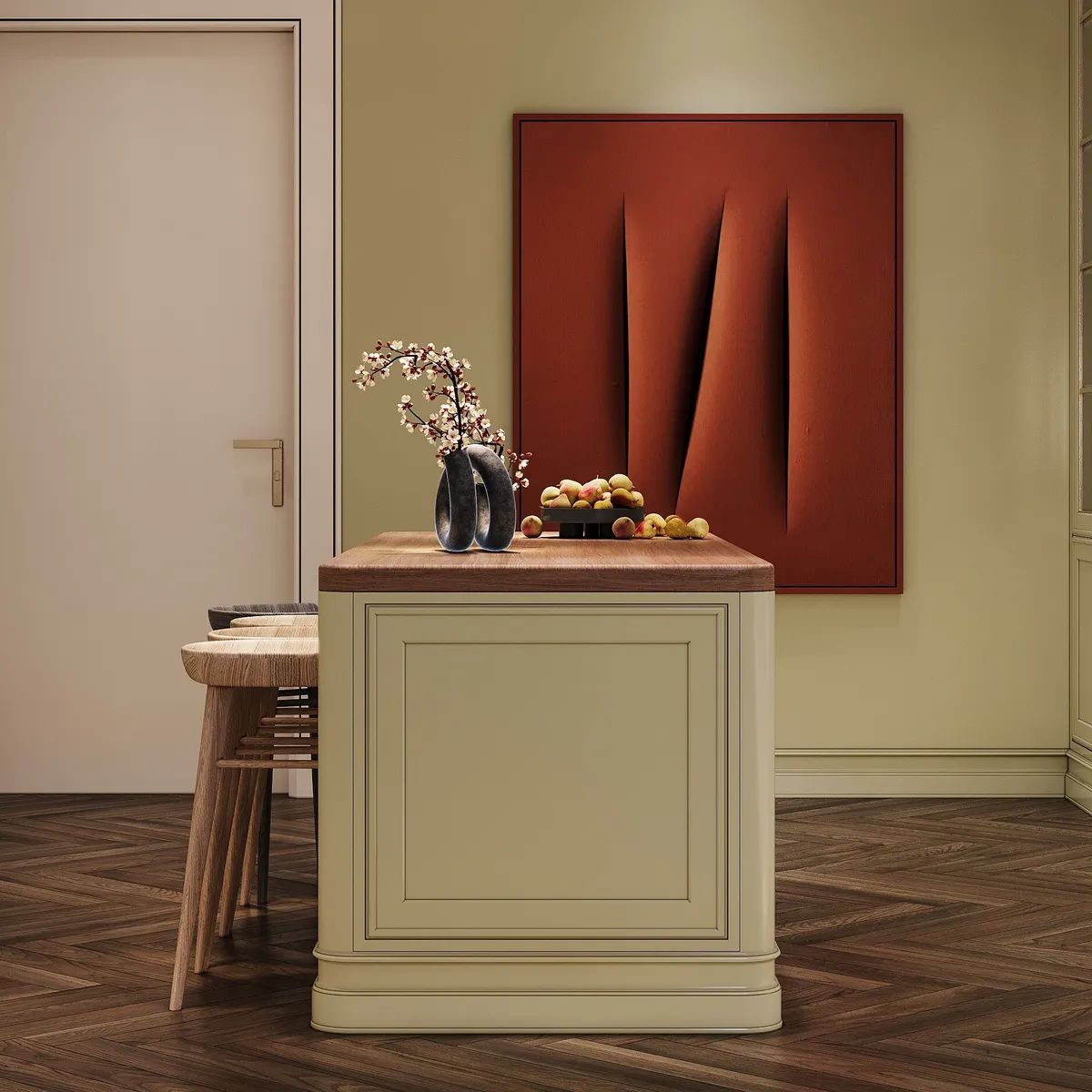
Design is often judged by photographs, yet interiors are not static images. They’re environments experienced through time. Morning light filtering through curtains. Footsteps softening on timber floors. A kitchen island that becomes a gathering point each evening. A bedroom that encourages relaxed breathing and quieter thought.
Interior design considers these moments. A space must perform under real conditions. Children drop backpacks in entryways. Guests gather in kitchens. Remote work demands acoustic balance. Materials must withstand regular touching, spills, and sunlight. Layouts must adapt as home life evolves.
This is where experience matters. Our designers, who understand how projects unfold in practice, know that a beautiful drawing doesn’t guarantee a successful room. Structural constraints, construction sequencing, and lead times all influence the outcome. Interior design is the art of navigating these realities while preserving intent.
It’s also why interior design cannot be reduced to trends. Trends change faster than buildings do. A well-designed interior considers longevity and allows style to evolve without requiring full renovation.
Interior design doesn’t exist in isolation. It responds to architecture and often helps complete it. Architectural plans define structure, ceiling heights, window placement, and spatial hierarchy. Interior design interprets these elements into environments that feel proportioned and purposeful.
When interior design is considered early, it can influence wall placements, door alignments, and sightlines. It can improve how natural light travels through the home. It can also shape transitions between indoor and outdoor areas.
In commercial and hospitality projects, interior design plays a key role in defining brand experience. Reception areas, lounges, and dining spaces must communicate identity while supporting operational flow. Seating layouts consider staff circulation. Material choices meet durability and maintenance needs.
Interior design is deeply sensory. Sight is only one part of the experience. Touch, sound, and material presence influence how a space feels.
Natural stone is cool and grounding. Timber introduces warmth. Upholstered surfaces soften acoustics. Metal details add clarity. Textiles invite comfort. The balance of these elements creates layered environments rather than flat compositions.
Texture affects perception of scale. A large room with hard surfaces may feel echoing. Introducing soft finishes helps humanize volume. Lighting interacts closely with materiality. Gloss surfaces reflect light while matte finishes soften it. Interior design considers how these relationships shift from morning to evening.
A refined interior always serves function. Kitchens must support cooking and gathering. Bathrooms balance privacy with comfort. Bedrooms encourage rest. Workspaces allow focus.
Functional planning includes storage integration, circulation paths, ergonomic consideration, lighting controls, and technology coordination. Poor functional planning can’t be hidden by styling. A beautiful living room loses its appeal if seating distances feel awkward or lighting creates glare.
Quality interior design anticipates how spaces are used repeatedly and quietly solves friction before it appears.
Interior design unfolds through stages. Concept development establishes vision and spatial intent. Layout planning tests furniture arrangements and circulation. Material and finish selection refines tactile character. Lighting design defines the atmosphere. Joinery and custom details add tailored precision. Procurement and coordination ensure elements arrive on time. Installation completes the environment.
Interior design shapes the daily experience more than most people realize. It influences how welcome guests feel, how productive employees are, and how relaxed occupants become. It contributes to property value by creating interiors that age gracefully rather than dating quickly.
Most importantly, interior design is about supporting emotional connection. People form attachments to spaces that feel aligned with their lifestyle and personality. That resonance is not accidental. It’s the result of careful planning, informed material choices, spatial understanding, and attention to detail.